
Why I Treat Phantom Like a Power Tool — But I Always Check the Cord First
Okay, so check this out—I’ve been using Solana wallets for years, and Phantom as a browser extension is one of those tools I reach for every day. Whoa! My first impression was simple: it’s slick, fast, and feels native in Chrome and Brave. At the same time, my gut said somethin’ was off the first time I saw a random “download” page offering the extension. Seriously? You can’t be too careful with browser extensions—especially wallet ones.
Here’s what bugs me about wallet downloads: the surface looks identical, but under the hood something very very different can be going on. Hmm… initially I thought all downloads were the same, but then I started poking at manifests and publisher IDs. Actually, wait—let me rephrase that: I started comparing publisher verification info across stores and realized how easy it is to get tricked by copycats. On one hand the convenience of a single-click install is great; though actually, that convenience is exactly what threat actors count on.
Install habits matter. Short phrase: trust but verify. My instinct said verify the extension source, look for the official developer name, check the extension ID if you can, and cross-reference with the project’s official channels (Twitter, Discord, official site). Wow! Those checks are not glamorous, but they stop a lot of headaches. You don’t need to be a dev to do them—just a few careful clicks and a little attention, that’s all.
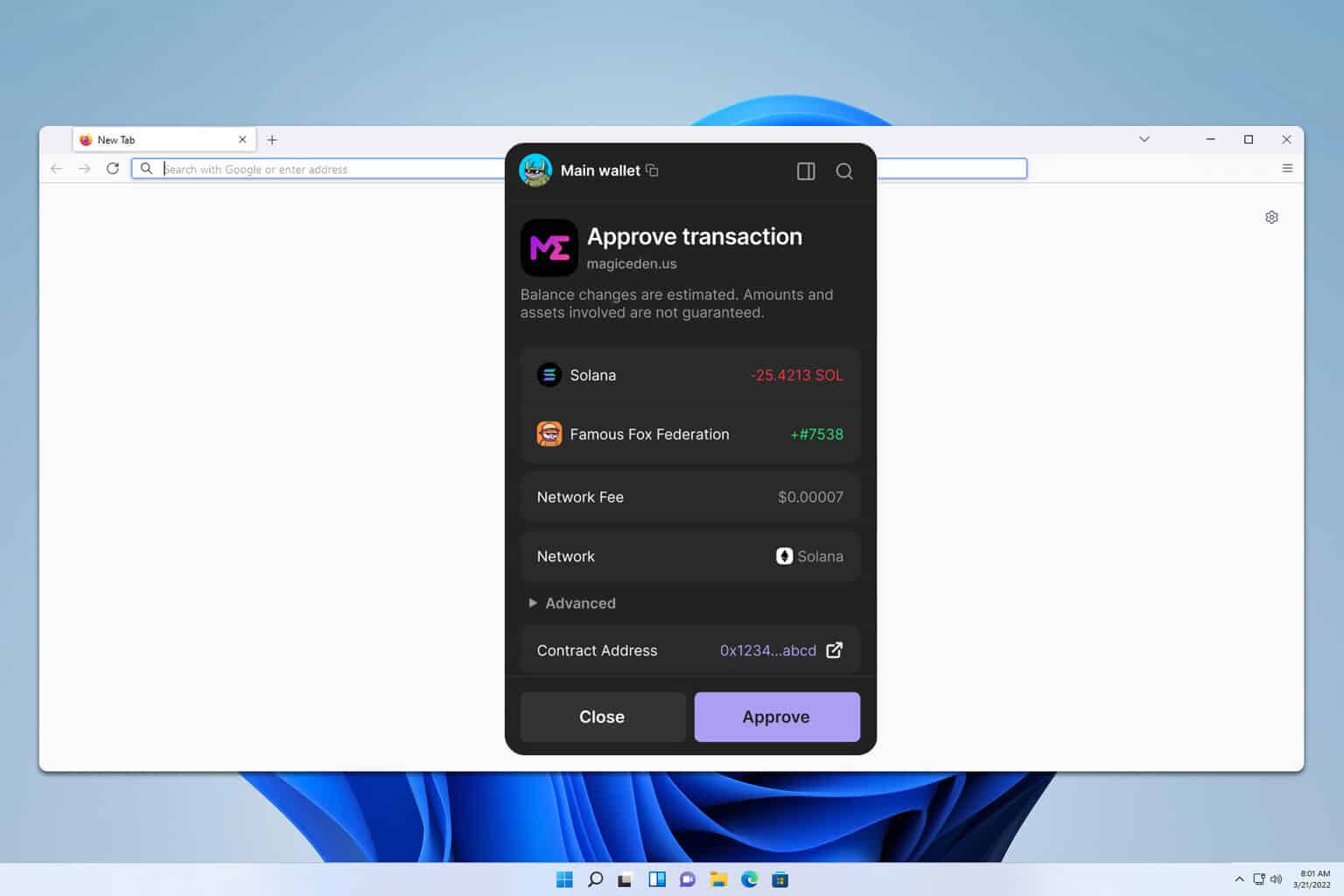
Where to get Phantom (and a cautionary step)
When someone asks me where to download Phantom, I point them to a reliable place, and I also show them how to confirm what they’re installing. If you want to preview a third-party host or an alternate download route, take a look here: https://sites.google.com/cryptowalletextensionus.com/phantomwalletdownloadextension/ —but pause before clicking install. Read the publisher info, read reviews (carefully), and if anything looks slightly off (odd grammar, unusually new publisher, mismatched logos), stop—close the tab. My instinct said the same thing when I first saw a mirrored download that used the Phantom logo but not the official publisher name.
The safe path is usually the project’s official website (phantom.app as plain text here—no hyperlink), their pinned tweets, or the verified browser extension store page. (Oh, and by the way… browser stores can host impostors, so scan the details.) Longer-term, get comfortable checking the extension’s ID and permissions. A legit wallet won’t ask for blanket permissions that let it read and modify every site you visit unless that behavior is explicitly part of the feature set.
What I do before adding any crypto extension: I (1) read the publisher, (2) look at install count and reviews, (3) check recent update notes, and (4) confirm the permissions list. Then I create a tiny, separate test account and send a small amount of SOL to it first. It’s a pain, sure. But it saved me once when something felt “off” and I caught a bogus copy quickly.
Security hygiene is not sexy, but it works. Seriously? Yes. And if you use multiple browsers, make sure you don’t copy seed phrases into notes or email drafts between them. That sounds obvious, I know, but this part trips up a lot of folks—especially new users who are excited and in a hurry. I’m biased toward caution; better slow than sorry.
Okay, for more practical detail without getting too nerdy: extensions declare permissions in their manifest. Some permissions are reasonable (read active tab, connect to specific domains), while others are red flags (access to all web pages, history, or host permissions across *. YouTube.com or something broad). If you see extremely broad host access, ask yourself why the wallet would need that. If there’s no good answer, don’t install.
On the technical side, browsers sign extensions with developer accounts. Verified developer badges and consistent publisher IDs are a good trust signal. But here’s the caveat—developer accounts can be compromised or newly created to impersonate. So layer your checks: cross-check with project announcements, check the extension’s support links, and if in doubt ask in official channels. The community usually spots fakes fast.
Something else: hardware wallets are your friend. If you have a Ledger or a Solflare-compatible device, use it through Phantom when possible. It keeps private keys off the browser entirely. That doesn’t make browser extensions irrelevant, though—extensions are about UX and speed. But pairing them with hardware keys adds a strong safety net.
I’ll be honest: the risk calculus changes with what you’re doing. If you’re just browsing and occasionally checking an NFT, the tradeoffs differ from moving large sums or managing institutional funds. For big moves, multi-sig setups, or treasury work, I prefer cold storage and multi-party approvals. For day-to-day interactions I rely on small balances in the extension and frequent audits of connected sites.
FAQ
Q: Is it safe to download Phantom from a Google Sites mirror?
A: Mirrors can be helpful for documentation, but treat third-party download pages with skepticism. Always verify the publisher, check for signatures if available, and prefer official channels (official website or verified store listings). If you decide to use a mirror, cross-check checksums/signatures and confirm via the project’s official social accounts. I’m not 100% sure every mirror is safe—so double-check.
Q: What if I’ve already installed a suspicious extension?
A: Remove it immediately, run a security check on your system, and consider moving any funds from addresses that used the extension. If you used a seed phrase or private key while the extension was installed, assume compromise and move assets using a hardware wallet and new keys. Report the extension to the browser store and to the wallet project (they often have incident channels).
Q: How do I verify an extension’s identity?
A: Look at the publisher name, check the extension ID if the project publishes it, read official tweets or project docs that link to the store page, and prefer installs from verified accounts. For extra care, use a small test transfer first before moving significant sums.


About Post Author
