
Safe, Practical, Real: How I Secure Crypto with Hardware Wallets (and What Traders and NFT Holders Often Miss)
Whoa! I remember the first time I almost lost a small stash of ETH. My heart raced. Seriously? Yes. That sudden jolt taught me more than any forum thread ever could. Something felt off about the workflow I was using; the setup was sloppy, keys scattered across notes, and my habit of “quickly” connecting things to the laptop was—well—risky. Okay, so check this out—hardware wallets changed that for me. They didn’t make me invincible, but they pushed most attack vectors back into a place where I could manage them.
Short version: a hardware wallet physically separates your private keys from online devices. Medium version: that separation dramatically reduces risk from malware, phishing, and exchange custody failures. Longer thought: when you combine a hardware wallet with disciplined operational practices—air-gapped backups, passphrases used correctly, and limited exposure during trading—you create a security posture that withstands the large majority of real-world threats, though it does require trade-offs in convenience and a willingness to learn a few non-intuitive steps.
Here’s what bugs me about crypto security advice: too many posts act like a single device or checklist is a silver bullet. It’s not. I’m biased toward hardware-first strategies because I live with these devices daily, but I’m also pragmatic—some people will use custodial services and that’s fine for small amounts. My goal here is to map the practical path for users who want maximum safety while still trading and holding NFTs.
Why hardware wallets actually matter (and where they don’t)
Short: hardware wallets keep private keys offline. Medium: that makes real-time theft by remote malware nearly impossible, because the key never leaves the device to sign transactions on an infected machine. Longer: defense-in-depth means the hardware wallet is one layer—seed management, device firmware, recovery procedure, and user behavior are the rest; if any of those layers fails, the whole setup is compromised, though each layer has different failure modes and mitigations.
Initially I thought a hardware wallet was enough. Then a friend lost funds because their seed phrase was photographed and stored in cloud backup. Actually, wait—let me rephrase that: the device was fine, but their recovery surface was wide open. On one hand you can tout “cold storage” as a catch-all protection. On the other hand, cold storage only helps if the cold storage principles are fully observed. So, what really matters is the ecosystem around the device.
For traders: a hardware wallet reduces counterparty risk and protects against hot-wallet draining, but it’s slower than leaving liquidity on an exchange. For many active traders, a hybrid approach works: keep working capital on exchange, move long-term holds to a hardware wallet. NFTs add nuance—ownership of art and collectibles often means interacting with marketplaces and dapps. That interaction requires signatures, which means temporary exposure unless you limit approvals and use smart-approval hygiene.
Practical setup checklist (real-world, tried-and-true)
Whoa! Start here: buy hardware wallets only from official vendors or reputable resellers. Seriously—tampered devices are a thing. My instinct said “buy in person,” and for high-value setups that was the right call. Medium step: unbox and verify device authenticity using vendor tools and firmware checks. Longer thought: take time to read the device’s verification steps; rushing through initialization is exactly how mistakes happen.
Seed phrase handling:
– Write your seed on non-digital, durable material. Use metal plates if you’re storing meaningful value.
– Split backups for redundancy but avoid patterns that make reconstruction trivial.
– Never photograph or upload your seed. Ever.
Passphrases and hidden wallets:
– A passphrase (BIP39 password) can create hidden accounts that protect you if a seed is compromised. But if you forget the passphrase, funds are lost. This trade-off is real.
– Use a memorable system or high-entropy passphrase stored in a secure way. I’m not 100% sure there’s a perfect human-friendly scheme; most people must balance memorability with strength.
Device hygiene:
– Keep firmware up to date, but vet updates against official channels.
– Use vendor apps only from official sources. For example, manage accounts through dedicated apps and always confirm transaction details on the device screen. This is basic but often ignored.
Trading workflows that keep risk low
Short: do not connect your main hardware wallet directly to every exchange or site. Medium: consider creating a separate “trading” wallet on the device that holds only funds you intend to use in the short term. Longer: you can maintain cold storage for long-term holdings, and a smaller hot/trading wallet for active positions; then replenish the trading wallet from cold storage using limited, deliberate transactions rather than leaving everything online.
Things to watch:
– Approval creep: NFTs and tokens often request broad allowances. Revoke unnecessary approvals regularly.
– Transaction pre-checks: verify destination addresses, amounts, and gas fees on the hardware device screen. Don’t rely on the wallet UI alone—phishing or browser extensions can alter displayed info.
– Use separate addresses for big-ticket items. If privacy matters, rotate addresses and consider privacy-conscious tools cautiously.
For advanced traders: multisig is underrated. It means funds require multiple devices or signers to move. Yes, it’s more complex. Yes, it can be managed with services or self-hosted setups. For high-value portfolios, the friction is worth the security gain.
NFTs: special considerations
NFTs are sticky. They’re often tied to marketplaces and require approvals to transfer. That creates attack surfaces. Hmm… my first NFT purchase taught me that clicking “connect wallet” is a routine that feels trivial but isn’t. Medium: minimize marketplace approvals and use temporary wallets for speculative buys. Longer: for blue-chip or high-value NFTs, store them in a cold wallet and use a temporary burner wallet for browsing, bidding, and interacting. Transfer the NFT back to cold storage after the transaction clears.
Gas and contract interactions:
– Watch out for contracts that call transferFrom with broad permissions.
– Use tools or browser extensions that display contract calls clearly—or better, review the contract on Etherscan before approving. This is annoying, but it’s the painful truth of interacting safely.
Why software like ledger live matters (but isn’t magical)
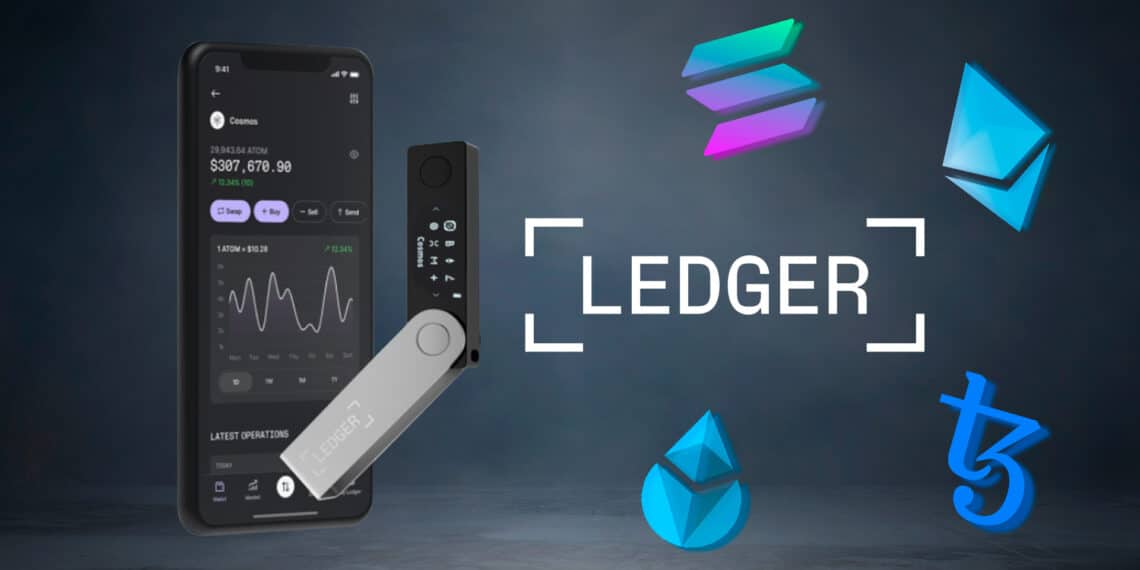
Ledger Live and similar companion apps make device management easier—account view, transaction history, portfolio monitoring. They smooth the UX and reduce mistakes by guiding users. Yet, they can’t replace judgment. Medium: always verify transaction details on the hardware device’s screen and treat the companion app as a convenience layer, not a security oracle. Longer thought: vendor apps often integrate new chains and tokens faster than alternative tools, which can be great, but that speed requires you to stay vigilant about new features and permissions.
FAQ
Do I need a hardware wallet if I keep small amounts on exchanges?
If the amount is truly disposable and you trade frequently, exchanges offer convenience and liquidity. But for funds you can’t afford to lose, hardware wallets are worth the effort. Think of exchanges as short-term parking and hardware wallets as long-term safe deposit boxes.
Is multisig worth the complexity?
For high balances, yes. Multisig reduces single-point failures. It’s not necessary for every user, but if you hold life-changing sums, the extra steps are prudent.
How do I handle firmware updates safely?
Only update from official vendor sources, verify release notes, and avoid rushed updates when you’re mid-transfer. If unsure, wait a few days and check community reports for any issues.
Okay, here’s the blunt reality: no system is perfect. On one hand, hardware wallets have significantly reduced theft vectors for most users. On the other hand, human error—misplacing a seed, falling for a phishing site, or misconfiguring a passphrase—remains the dominant risk. My solution? Layered defenses, periodic audits of your own practices, and modest paranoia about where keys and backups live. I’m not trying to scare you. I’m stating the trade-offs plainly.
Final thought: treat your crypto like a high-value, fragile asset. Use hardware wallets for custody, but don’t faux-justify sloppiness because you “have cold storage.” Train yourself on safe routines, automate what you can securely, and periodically test your recovery plan (without putting funds at risk). If you do that, your odds of waking up to a nightmare drop dramatically. Somethin’ tells me you’ll sleep better too.


About Post Author
