
Why I Trust a Ledger for Staking and How I Use It with DeFi—Practical, No-BS Advice
Okay, so check this out—I’ve been fiddling with staking and DeFi for years. Wow! My instinct said hardware wallets were the safest bet from day one. At first I thought I could juggle browser wallets and custodial apps without trouble, but then I lost access to an account and had to relearn a hard lesson about key custody. On one hand convenience felt great; on the other hand the risk of leaving keys exposed was real, and that tension shaped how I approach staking today.
Here’s the thing. Seriously? You can stake directly from a hardware wallet, and you can also participate in DeFi using a Ledger as the signing device. Hmm… That combo gives you a strong safety posture while letting you take advantage of yield. Initially I assumed the UX would be clunky, but actually recent tooling has smoothed a lot of the friction. There are still rough edges though—some dApps don’t support hardware wallets well—so patience helps.
I remember setting up my first Ledger and delegating a small stake just to test the flow—somethin’ like $50 worth. It was nerve-wracking. Then I sighed, and when it worked, it felt like a small triumph. On one hand it was validation; on the other hand it made me want to double-down on operational security. My approach since then: test small, learn, then scale up slowly.
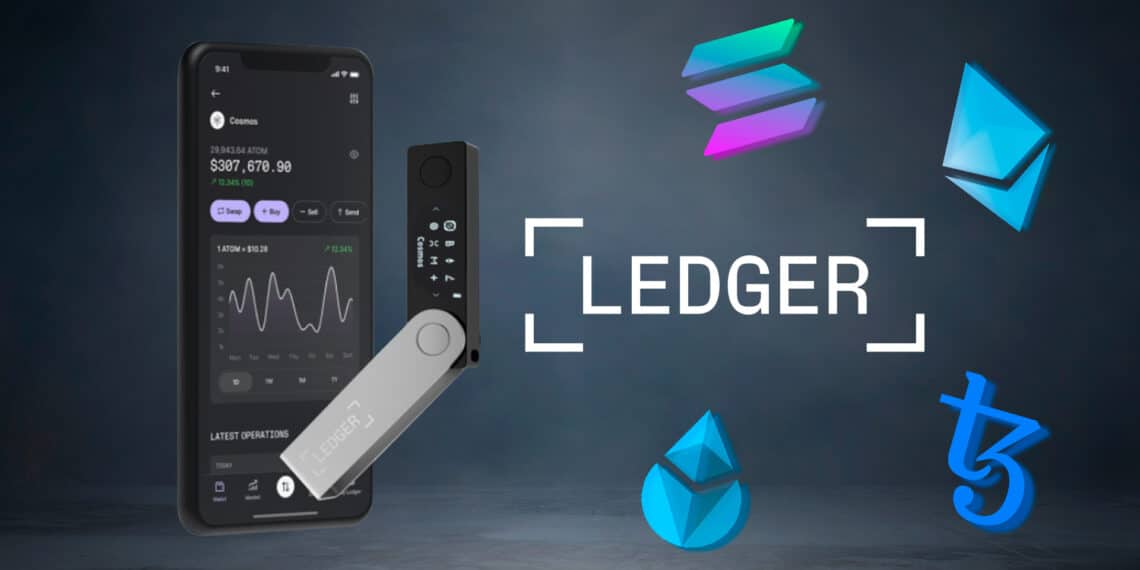
How Ledger devices change the staking equation
Short version: private keys never leave the device. Really? That single fact reduces many attack vectors immediately. With the device handling cryptographic signatures, even a compromised computer can’t spam stake transactions without the physical key being present. Longer thought: because the Ledger isolates keys, it forces attackers to attempt physical theft or exploit supply-chain compromises—problems that are a different class of difficulty compared to remote key exfiltration, though not impossible.
Using a Ledger means you can stake in two main ways: native staking through Ledger-backed tools, and staking via DeFi protocols where the Ledger signs transactions. My bias: native staking (where available) is simpler and often safer because it avoids smart-contract risk. But DeFi opens up higher yields and composability. On the flip side, those yields sometimes come with complicated contracts, and you need to understand counterparty and smart-contract risk before committing significant funds.
Here’s a practical checklist I use every time I stake from a Ledger. Wow! First, always update firmware and verify the device status. Next, confirm the staking or DeFi app is authentic. Then, send a tiny test transaction to the same pathway you plan to use. Finally, increase the stake only after results match expectations. This routine has saved me from a couple of mistakes.
Using Ledger with DeFi dApps—what changes and what doesn’t
Okay, so check this out—when you connect a Ledger to a dApp through a bridge like MetaMask’s hardware wallet interface, the dApp requests signed transactions but cannot extract your seed. Wow! That keeps custody with you while enabling complex interactions like liquidity mining or yield farming. Longer thought: the interaction requires careful UX steps—approving allowances, reviewing contract calls, and sometimes toggling custom gas or data fields—and because human error is still a thing, the physical review on the Ledger is the final safety net.
There are caveats. Hmm… Some DeFi strategies involve depositing into pooled contracts or cross-chain bridges that introduce additional smart-contract and bridge risk. I’m biased, but I avoid opaque pooled strategies unless I can audit or reasonably trust the protocol team and codebase. Also, never reuse approvals blindly—revoke allowances when you finish. It’s very very important.
Another practical tip: keep separate accounts for different risk levels. Seriously? One address for long-term staking with conservative validators, another for active DeFi experiments. This reduces blast radius if something goes sideways. On one hand it’s extra management, though actually it makes mental accounting simpler and keeps recovery processes clearer.
Step-by-step: staking from Ledger (high-level)
First, set up your Ledger and record the recovery phrase securely offline. Wow! Resist storing it digitally. Next, install the relevant coin app on your Ledger and sync the account to your chosen interface. Then, delegate or stake using the provider’s flow—confirm each transaction on-device. If you engage with DeFi, connect the Ledger through a wallet bridge and always verify contract details on the device display.
One nuance that bugs me: some staking flows require a “controller” or multi-step setup that can trip folks up. I’m not 100% sure about every chain’s idiosyncrasies, but generally, read the docs for that chain and practice with small amounts. Also use the Ledger’s passphrase feature for additional account isolation if you understand how it works—it’s powerful but can also be a trap if you lose the passphrase or confuse accounts.
Trade-offs: custody, convenience, and composability
On one hand, Ledger gives you custody and more security. On the other hand, using hardware adds friction to frequent DeFi activity. Hmm… For long-term staking it’s a no-brainer; for active yield-chasing it can feel heavy. My evolution: I keep core capital in hardware-secured stakes, and allocate a rotating “play” pot for higher-risk DeFi on hot wallets. That split fits my risk tolerance but might not be yours.
Another trade-off is trust versus yield. Delegating to a vetted validator offers predictable rewards with lower complexity. Yield farms can beat those returns, though often with hidden or emergent risks. Longer thought: always ask who controls the contract, what the upgradeability paths are, and where the treasury goes—if you can’t answer those, treat the strategy as speculative.
Common questions (FAQ)
Can I stake directly from Ledger without exposing my seed?
Yes. The Ledger signs transactions on-device, so your seed phrase or private keys never need to be entered into a computer. Wow! You still must keep firmware up-to-date and verify addresses on-screen.
Is it safe to use Ledger with DeFi dApps?
Generally yes, but remember that DeFi brings smart-contract and counterparty risk. Always review contract calls on your device, use small test amounts first, and prefer well-audited protocols. I’m biased, but I also prefer sticking with simpler, time-tested strategies for large allocations.
Where can I find the Ledger Live workflow and guides?
For official guidance, check the Ledger Live resources and walkthroughs at ledger live. Seriously? Use the official docs and cross-check community guides, because UX steps change over time.


About Post Author
